Loading...
Crumbling mortar, spalling brick, and coastal staining are not cosmetic problems. We restore Santa Maria masonry with matched materials and proper prep so the repair actually lasts.
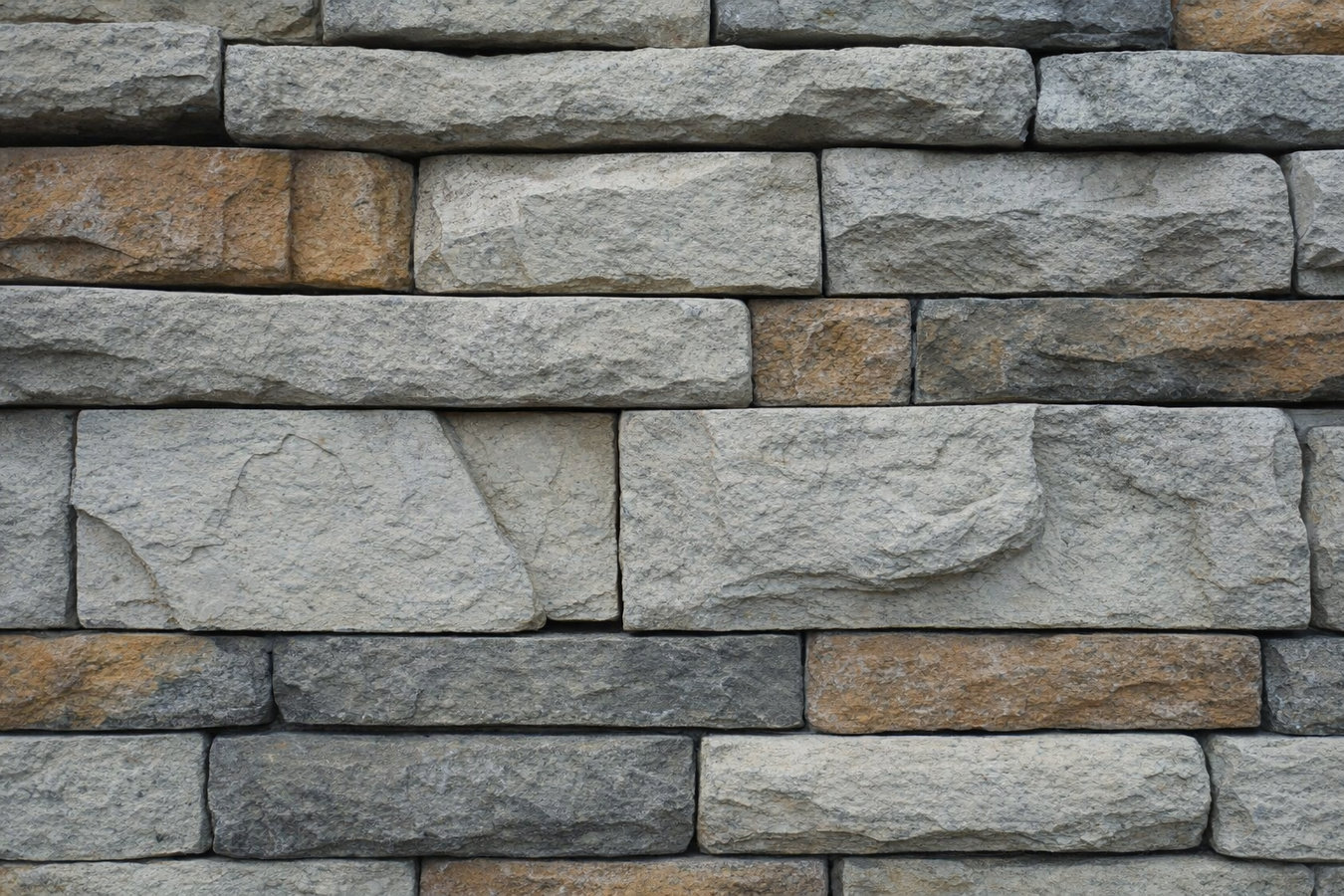
Masonry restoration in Santa Maria covers repointing failing mortar joints, patching spalled or cracked brick and stone, and sealing the finished surface against further moisture damage - most residential jobs are completed in one to three days depending on the size of the area and how deep the damage goes.
Most homeowners call us after they notice crumbling mortar on an exterior wall or white chalky streaks appearing after the rainy season. Santa Maria sits close enough to the coast that salt and moisture work into masonry year-round, and small problems grow quickly once water finds a gap. If the damage extends to cracked brickwork, that often pairs with tuckpointing work to fully restore the mortar joints.
The key difference between a repair that holds and one that fails in a year or two is matching the original mortar hardness and addressing what caused the damage, not just covering it up.
Run your finger along the joints between bricks or stones. If the mortar crumbles, flakes, or feels soft and sandy, it is failing. This is the most common sign that repointing is needed, and it is worth addressing before the next rainy season opens those gaps to water.
White staining on brick or stone - especially on walls that face the prevailing ocean breeze - is called efflorescence. It means salt or mineral deposits are pushing out from inside the masonry. In Santa Maria's coastal climate, it often signals moisture has been getting in for a while, and the underlying masonry may be more damaged than the surface suggests.
Hairline cracks in mortar joints are common and often repairable. Cracks running through the brick or stone itself - especially diagonal cracks near corners - can indicate structural movement, possibly related to expansive clay soils in parts of the Santa Maria Valley. Either type needs attention before water gets in.
Finding small fragments of brick or stone at the base of a wall means the surface is spalling. Salt crystallization from the marine air is a common driver here. Left alone, spalling spreads and weakens the wall over time.
We handle the full range of residential masonry restoration in Santa Maria, from targeted repointing of failing mortar joints to full-surface patching and sealing of brick, stone, and concrete block. Every job starts with an honest assessment of what is driving the damage. If the issue is primarily worn-out mortar, we match the original mortar in hardness and color and repoint properly - removing the failing material first rather than packing new mortar on top of old. For homes where cracking is more widespread, fireplace installation or chimney rebuilding may be part of a broader scope of work on the same masonry envelope.
We also address spalling and surface crumbling, replace individual damaged bricks or stones, and apply breathable sealers after the repair work is complete. The sealer step matters specifically in Santa Maria because of the salt-laden marine air - a properly applied sealer slows moisture penetration without trapping water inside the wall.
Best for homes with crumbling or recessed mortar joints but structurally sound bricks or stones.
Suits walls with localized surface damage - flaking faces, chips, or diagonal cracks in individual units.
For situations where individual units are too damaged to save and need to be swapped out cleanly.
The finishing step that protects restored masonry from Santa Maria's coastal moisture and extends the life of repairs.
Santa Maria sits roughly 12 miles from the Pacific coast, and the marine layer that rolls in regularly carries salt and moisture. Salt works into the pores of brick and mortar and when it dries and crystallizes, it pushes outward from the inside - a process called spalling. Walls that face west or northwest take the most exposure. Many of Santa Maria's established neighborhoods include homes built in the 1940s through 1970s with lime-based mortars that weather faster than modern products. That combination of age and coastal air means masonry on local homes often needs attention sooner than it would in an inland city.
Parts of the Santa Maria Valley also have clay-heavy soils that shift with seasonal wet and dry cycles, putting added stress on brick veneers and retaining walls. We work regularly in Orcutt and Guadalupe, where the same soil conditions and older housing stock create similar patterns of masonry wear. If you have noticed cracks that open in dry months and close slightly when it rains, soil movement may be a contributing factor that needs to be assessed alongside the surface repair.
We will ask a few basic questions about what you are seeing and where on the house it is. We respond to all inquiries within one business day and schedule a free on-site estimate at your convenience.
We walk the area with you, probe the mortar joints and any cracked surfaces to understand how deep the damage goes, and look for underlying causes like soil movement or drainage issues. No surprises after the job starts.
You receive a written estimate describing exactly what will be done, what materials will be used, and how long the job will take. The number you agree to is the number you pay.
We remove failing mortar or loose masonry first, then clean the area before applying new material. After work is complete, we walk you through the curing period - typically keep repairs dry for 48 to 72 hours - and clean up the site before leaving.
Free estimate. Written scope before any work starts. No pressure.
(805) 867-6978Using the wrong mortar type is the most common reason repairs fail within a year or two. We assess the existing material before choosing a repair product - protecting the original brickwork, not just filling gaps.
We have worked on brick and stone throughout Santa Maria and the surrounding valley since 2017, including homes in older neighborhoods with lime-based mortar that requires extra care to match and repair correctly.
If soil movement or drainage is behind the cracking, patching the surface will not hold. We assess what is driving the damage so you are not calling for the same repair again in twelve months.
California requires masonry contractors to hold a C-29 license from the CSLB. We carry the required license and insurance - you can verify our license number on the state website before you sign anything.
A masonry repair that holds starts with understanding what failed and why. That is how we approach every job, and it is why most of our Santa Maria customers do not need to call twice for the same problem.
Add or rebuild a masonry fireplace while we already have the tools and materials on site.
Learn MorePrecision mortar joint work for brick and stone that needs uniform joint depth and color across a larger surface.
Learn MoreCall Santa Maria Concrete & Masonry today for a free estimate - repairs scheduled now cure and set before November.